Presentando ramerah.com

Ramerah es un nuevo blog que hemos empezado los amigos que hacíamos gamerah y geedorah. Esta vez nos atrevemos con todos los temas (cócteles, deportes, moda…) porque nos hemos dado cuenta de que lo importante es quién somos y cómo pensamos y escribimos, y no tanto de qué hablamos. Bienvenidos a nuestro blog colectivo definitivo. Esperamos que os guste.

Ramerahとは、gamerahgeedorahを一緒に書いていた友達がみんなで新しく始めたスペイン語のみのブログ。今回はどの分野にも挑戦!大事なのはジャンルよりも誰が書くか。みんなのブログへようこそ!どうぞスペイン語の練習にでも読んでみて下さい。

Ramerah is a new Spanish language blog I’ve started with the same friends that did gamerah and geedorah. This time we’ll write about anything! The most important for us isn’t what to write about, but who and how does it. Welcome to our new blog, and feel free to use it to practice your Spanish.

Ramerah (|) tu madre

Os dejo con un fragmento de mi pequeño artículo sobre Kaeru-moku, un grupo de música japonés muy especial y para nada relacionado con el heavy metal o chiptune que suelo escuchar a diario.

下記は僕のちょっとした記事の引用です。テーマはかえる目という名前のかなり独特なバンド。普段聴いてるヘヴィメタルやチップチューンとは全く関係ない。

Here’s a paragraph from my tiny article about Kaeru-moku, a very particular Japanese band. It has nothing to do with the heavy metal or chiptunes I usually listen to.

Hiromichi Hosoma (細馬宏通), un escritor japonés de 48 años, junta un grupo para cantar canciones de letra juguetona e interpretación intimista. En Kaeru-moku (かえる目, Ojos de rana) nadie toca más de lo necesario pero todo lo que suena se escucha de forma cálida e impecable. Es como tenerlos tocando debajo de tu cama haciendo como que pasan de todo y que tocan para pasar el rato, pero en realidad todo está controlado al milímetro.

El primer artículo sobre videojuegos en Ramerah está al caer, y yo también hablaré de jueguitos allí.

Ramerahでのゲーム記事も公開する予定。みんなも、自分も、書きます。

The first video games feature at Ramerah will be published soon, and I’ll be writing some gaming articles there too.

tags: 

Pedir la cuenta en Escucha japonés 聞く日本語で「お勘定」


[YouTube | Vimeo | blip.tv]

No me canso de ofreceros cosas nuevas en Escucha japonés, como no me canso de decíroslo porque sé que hay muchos de aquí a los que les gustaría saber un poquito más de japonés, pero no están suscritos ni se leen los comentarios en la web. Comentarios en los que, por cierto, se preguntan muchas dudas y se aprende un montón. Esta vez estrenamos nueva sección: la de vídeos de frases. En cada vídeo una frase útil o cachonda. Pero los podcast de audio normales de conversaciones por supuesto que siguen saliendo. ¡Cada vez hay más material en Escucha japonés!

聞く日本語」で新しいことを始め続ける。今回は日本語の一言を教えて説明する動画だ。日本語会話の音声ポッドキャストはもちろん、そのまま出続ける。

I never grow tired of doing new stuff at Escucha japonés. This time I’ve started a series of videos teaching and explaining just one Japanese phrase each. Of course, the regular audio podcast will keep updating.

tags: 

Cómo cortar tofu 豆腐を切る

En Japón el tofu no se corta encima de una tabla, sino en la palma de la mano. Algunas personas tienen la impresión de que es peligroso, pero como solamente hay que dejar el cuchillo bajar lentamente a través del tofu (nada de moverlo hacia los lados) y este se corta más fácil que la mantequilla, no es más peligroso que usar un cuchillo sobre una tabla.

日本で豆腐を切るときにはまな板じゃなくて手のひらで切ることにスペイン人が驚いていた。「危ない!」というコメントが多かったので、ゆっくり見てもらって説明しようと思った。

In Japan they cut tofu on the palm of their hands rather than on a chopping board. Some foreign people feel it’s dangerous but you just let the knife go down through the tofu, which cuts easier than butter. It’s no more danger than cutting on a chopping table.


[Download | YouTube | blip.tv | Vimeo]

No soy el mejor del mundo cortando tofu, pero espero que os hayáis hecho una idea de cómo se hace. Es más fácil cortar limpiamente hasta abajo de esta manera que encima de la tabla, y además cuando terminas ya tienes el tofu en la mano – intenta coger tofu crudo de una tabla y verás que es difícil sin que se rompa. Aunque es súper fácil cortar así, si lo intentas por primera vez hazlo lentamente y con mucho cuidado.

僕の切り方は完璧じゃないとは分かってるけど、だいたい通じればそれでいいと思った。まな板で切るときより一番したまで切りやすいし、切り終わると既に手に取ってるからすぐお鍋とかに入れられる。まな板で切ってから取ろうとしたら破れる場合がある。手のひらで切るのは簡単だけど、初めての人にはこう言っておこう:気をつけてゆっくり切って下さい。

I’m not the world champion of tofu cutting but I hope you can imagine how it is to cut it on the palm of your hand. It’s easier to cleanly cut all the way down, and when you’re done you already have the pieces in your hand. Try to get raw tofu from a chopping board and you’ll see there’s a probability that it’ll break. It’s very easy to cut tofu on your hand, but when you try it for the first time please be very careful and do it slowly.

<br /> tofu  knife  包丁  cuchillo  豆腐  pepino  ale  cocina  comida  food  食べ物

Y así de bueno se queda con un poco de salsa de soja y katsuobushi.

醤油と鰹節で出来上がり。美味しそうだろ?

This is how yummy it looks with soy sauce and katsuobushi on it.

tags: 

Bocadillo de croqueta de hombres 男のスパイシー!!コロッケタマゴロール

Hacía tiempo que no ponía ningún vídeo comiéndome algo. Este es un bocadillo de croqueta muy especial para hombres que tienen en Lawson.

久しぶりに食事の映像を公開。スペイン語で喋ってるけど、おなじみの(?)ローソンの男のコロッケタマゴロールの話だ。

It’s been a while since I last posted a food movie. This is spoken in Spanish, about Lawson’s “Men’s spicy croquette sandwich”.

YouTube | vimeo | blip.tv

Al final se ha acabado el plazo y no he reunido los puntos para la taza del Rilakkuma.

動画ではリラックマのマグカップのためのポイントを集めていると言っているけど、期間が終わってしまって結局集まってない。

In the movie I say I’m collecting points for a Rilakkuma mug, but time is over and I don’t have enough.

tags: 

Comida tecnológica ハイテクな食品

Hoy os presento otro programa de 5.0 en el que hablo de comida tecnológica: ramen instantáneo, yakisoba, oden, etc. Es el programa que se emitió el 25 de marzo y podéis escucharlo aquí mismo o descargarlo a vuestro ordenador. A los impacientes os espero en el minuto 49:50.

今日もスペインのラジオの 5.0の番組だ。今回は3月25日の番組で、僕のテーマはハイテクな食品:カップラーメン、焼きそば、おでん缶、ラーメン缶。この下で聞くことが出来るし、パソコンに落とすことも出来る。早口スペイン語を聞くのに1時間が長いと思う人に教えよう:出番は49:50分からだ。

Another program from Spanish radio’s 5.0. Today’s show was aired on March 25th and my theme was hi-tech food: instant ramen, yakisoba, oden, etc. You can listen to it right here, or download it to your computer. And for those who can’t take one hour of fast spoken Spanish: my part starts at minute 49:50.

Radio 5 todo noticias news ニュース

(Descargar / ダウンロード / Download)

5.0 Podcast
Sigue el enlace del podcast si no consigues escuchar el programa aquí.
このページで番組を聞けない人はPodcastのリンクからどうぞ。
If you can’t listen to the program here, follow the Podcast link.

Os agradecería sugerencias de temas de tecnología en Japón para hablar de ellos en mi sección de 5.0. Podéis enviármelos por comentario, Twitter o correo.

tags: 

Comiendo ramen — お昼はラーメン — Eating ramen

El otro día fui a comer a un sitio nuevo cerca de Tuki no Usagi. Se llama Ramen 39 Banchi, y dan un tonkotsu ramen buenísimo. El tonkotsu ramen es el típico de Fukuoka, y se caracteriza por tener caldo de cerdo con un olor bastante fuerte. No conozco a nadie que lo haya probado y no le haya gustado. En la mayoría de bares de ramen buenos que conozco tienen un montón de cosas para que te personalices tu ramen.

このあいだお昼「月の兎」の近くに最近出来た「らあめん39番地」という美味しいラーメン屋さんに食べに行ってきました。

A few days ago, I had lunch at a new place near Tuki no Usagi. It’s called Ramen 39 Banchi, and they serve very good tonkotsu ramen. Tonkotsu ramen is typical from Fukuoka, and it’s known for being made of pork and having a strong smell. I don’t know anyone who has tried it and not liked it. At most good places I know for having ramen, they have lots of stuff so you can customize your ramen.

ramen

De izquierda a derecha y de arriba a abajo: takana (verdura), benishouga (cosa picante hecha de gengibre), sésamo, aceite picante para los gyoza, pimienta blanca, salsa para los gyoza, salsa para echar al ramen si está soso, ramen, gyoza, ajo, y arroz. Todo esto por 750 yenes (menos de 5 euros).

ご飯+餃子セットで750円です。もっと安いお店もありますけど、ここも全然高くないし、きれいで特にいい雰囲気だし、ラーメンは本当においしい!

Left to right and top to bottom: takana (a vegetable), benishouga (spicy thing made of ginger), sesame, spicy oil for gyoza, white pepper, sauce for gyoza, sauce for ramen (in case you need more flavor), ramen, gyoza, garlic, and rice. All this for 750 yenes (less than 5 euro).

Podéis ver dónde está en mi mapa de restaurantes.

場所は僕の飯屋マップで確認出来ます♪

You can check its location at my restaurants map.

tags: 

Tuki no Usagi — 月の兎

A 5 minutos en bici desde mi trabajo, hay una zona con bastantes sitios para comer. Hoy os voy a presentar uno de mis favoritos: Tuki no Usagi. De noche es un izakaya (para comer y beber) pero al medio día tienen un menú muy bueno por 650 yenes (unos 4 euros).

会社の周辺には飯屋があまりないけど、チャリで5分走ったらいっぱいある。今日はお気に入りの定食屋さんをご紹介しよう:月の兎。夜は居酒屋だけど、お昼は650円でかなりいい定食が出る。

5 minutes by bicycle from work, there’s a street with lots of places to have lunch. Today I’m introducing one of my favorite: Tuki no Usagi. In the evening it’s an izakaya where you can eat and drink with friends, but in the afternoon they serve vert good lunchs for 650 yen.

tuki no usagi
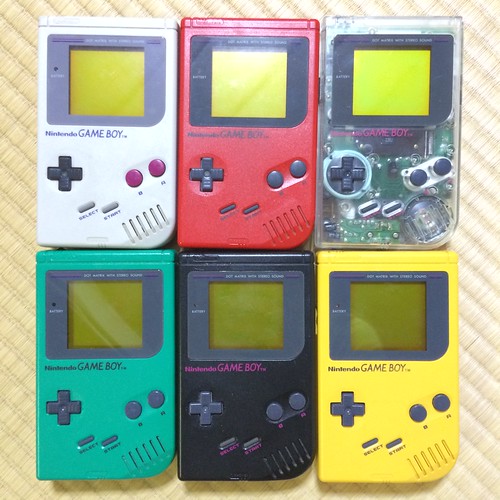
Game Boy no incluida en el menú / ゲームボーイは別売り / Game Boy sold apart

Cada día se puede elegir el plato principal entre tres opciones, y ponen una guarnición muy variada. El inevitable arroz se puede pedir blanco, o también zakkokumai (con varios cereales mezclados), que está muy bueno y también es mejor para la salud. ¡Y al final incluso te ponen un pequeño postre y un café! Esto es rarísimo en un menú japonés.

日替わりのメインは、毎日3つから選ぶことが出来るし、漬け物、みそ汁など色々出るし、ご飯は体によさそうな雑穀米か白米だし、贅沢な定食と感じられる。おまけに、最後はミニデザートとコーヒーも出る!これはスペインで当たり前だけど、日本の定食屋さんでは見たことなかった。

Every day, you can choose your main dish from three options, but lots of other stuff will come with it. The mandatory rice can be white or zakkokumai (with mixed grains), which is very good for health. And they will even serve a small dessert and coffee when you’re done! This is more than usual in Spain, but this is the only place I’ve seen this in Japan.

tuki no usagi
Game Boy no incluida en el menú / ゲームボーイは別売り / Game Boy sold apart

Podéis ver dónde está en mi mapa de restaurantes.

場所は僕の飯屋マップで確認出来ます♪

You can check its location at my restaurants map.

tags: 

Takoyaki + manga — たこ焼き+マンガ

Un día volviendo en coche desde Hofu, Ai me llevó a una tienda cutrísima de takoyaki.

この間防府から帰っていた途中、 愛がボロいたこ焼き屋さんによってくれた。

One day, coming back from Hofu, Ai stopped at a creepy takoyaki shop.

takoyaki + manga

Había un sitio para sentarse y comerte los takoyaki, con estanterías llenas de comics en estado lamentable. ¡Pero los takoyaki estaban buenísimos! De los mejores que he probado en mi vida. Una experiencia “bizarra”.

ちゃんと座って食える場所もあって、本棚にはまたボロいマンガが大量に置いてあった。 しかし、たこ焼きは凄く美味しかった!今まで食べてきたたこ焼きの中でもかなり上位。全体的に不思議な経験でした。

There was a place to sit down and have your takoyaki, surrounded by lots of (very dirty) manga. But the takoyaki were among the best I’ve had in my life! It was a bizarre experience all in all.

tags: