Categoría: japonés/日本語/Japanese

japonés/日本語/Japanese

Estudiando idiomas 語学


聞くスペイン語 9: 船長はどこ?

El Escucha español de esta semana va de direcciones: arriba, abajo, izquierda y derecha. Sale un marinero que se parece a Chanquete haciendo algo parecido al truco de Konami.

今週の聞くスペイン語の題は方向です。上、下、左、右を覚えよう。コナミコマンドみたいな動きをする船長は、かわいい。

This week’s Escucha español will teach you directions: up, down left, right. You can see the Captain doing a variant on the Konami code.


Escucha japonés 60: Medios de transporte

Y en Esucha japonés tenemos medios de transporte. Esperamos que encontréis vuestro favorito en este vídeo, y que sigáis aprendiendo o practicando idiomas con nosotros.

そして聞く日本語では交通手段を教えています。皆さんのお気に入りのがあるといいですね。みんなで語学を楽しもう!

And at Escucha japonés we are teaching transportations. We hope that your favorite is in this lesson, and that you keep learning and practising with us.

tags: 

Vocabulario Dragon Quest IX 単語


MP4

Hoy en Escucha japonés, ¡vocabulario de Dragon Quest IX!

今日の聞く日本語ドラゴンクエストIX単語!聞くスペイン語もよろしくお願いします!

Today at Escucha japonés, Dragon Quest IX vocabulary!

Más もっと More:

tags: 

Yamakasa 山笠 2009

博多, 福岡, 山笠, 祭り, matsuri, festival, Fukuoka, Yamakasa

Ayer de madrugada estuve en el clímax de uno de los festivales más emblemáticos de Fukuoka: el Hakata Gion Yamakasa Matsuri.

昨日の朝早く博多祇園山笠祭りの追い山を見に行ってきた。

Yesterday, I attended the climax of one of the biggest festivals in Fukuoka– The Hakata Gion Yamakasa Matsuri.


YouTube

Si os ha gustado el vídeo, aquí tenéis el del año pasado.

こういう動画をもっと見たいと思ったら、去年の分もあるよ。

If you liked this video, you might enjoy the one I took last year.

博多, 福岡, 山笠, 祭り, matsuri, festival, Fukuoka, Yamakasa

Detrás de estos centenares de personas está la salida de esta carrera de pasos de procesión.

向こうには追い山のスタートラインがあるけど、数百人がいてこれより近づけられない。

Behind these few hundreds of people, there’s the start line for this race.

博多, 福岡, 山笠, 祭り, matsuri, festival, Fukuoka, Yamakasa

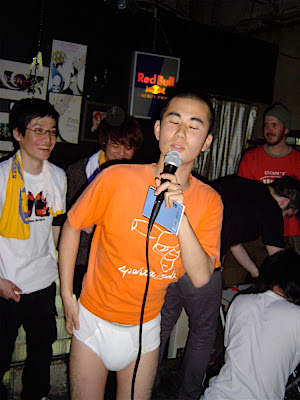
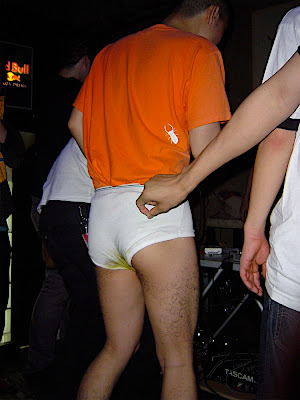
A plena luz del día los hombres seguían corriendo con el culo al aire.

朝になっても男たちはお尻丸出しで走り回っていた。

Men kept on running around showing their butt in the daylight.

博多, 福岡, 山笠, 祭り, matsuri, festival, Fukuoka, Yamakasa

Me levanté a las 3 de la mañana para venir aquí. No es la primera vez que lo hago y no será la última. ¿Alguien se apunta a venir conmigo? ¿Y con los culos fuera?

これを見るために3時に起きた。初めてじゃないし、最後でもないだろう。今度誰か一緒に来る?お尻丸出して?

I got up at 3 am in order to see this. It’s not the first time nor it will be the last. Any of you coming with me next year? Showing our bottoms?

tags: 

Escucha japonés en la radio ラジオで「聞く日本語」

Love FM, ラブエフエム, radio, ラジオ, interview, entrevista, インタビュー, Max, マックス


[Love FM | blip.tv | Download MP3]

El 29 de mayo salí en la emisora de radio de Fukuoka Love FM por cuarta vez. Hablé con Max de los diversos idiomas de España y emitimos este episodio de Escucha japonés. ¡Espero poder presentar pronto Escucha español en la radio también! Muchas gracias a la buena gente de Love FM.

5月29日は福岡のラジオ放送局LOVE FMで4回目しゃべった。MAXと、スペインのいろんな言語のお話をして「聞く日本語」のこの一話を放送してもらいました。近いうちにラジオで「聞くスペイン語」もご紹介いただけたら嬉しいな!LOVE FMの親切な皆さんに感謝。

On May 29th I was on Fukuoka’s radio station Love FM for the 4th time. Had a talk with Max about Spain’s many languages and got this Escucha japonés episode broadcasted too. Hope I can get a chance to talk about Escucha español soon too! Thanks go to all the nice people at Love FM.

tags: 

Escucha japonés busca pareja


[YouTube | Vimeo | blip.tv | MP4]

Escucha japonés busca novio, novia y patrocinadores. Para aprender el vocabulario y leer más información sobre la publicidad que ofrecemos, pásate por el último episodio de Escucha japonés.

聞く日本語」は彼氏、彼女とスポンサーを募集中。詳細は聞く日本語の最新のエントリーでご覧下さい(スペイン語)。

Escucha japonés is looking for a boyfriend, a girlfriend, and sponsors. For further Japanese learning and advertising details, click through the latest Escucha japonés episode.

tags: 

Resultados del JLPT 日本語能力試験の結果

2008, テスト, examen, Examen Oficial de Nivel de Lengua Japonesa, examination, 能験, 試験, Japanese Language Proficiency Test, japonés, 日本語, japanese, noken, test, 日本語能力試験, jlpt, 合格, passed, aprobado, apto

Ayer me llegó esta postal notificándome de los resultados del Examen Oficial de Nivel de Lengua Japonesa, también conocido como Noken o JLPT. Algunos os enterásteis en cuestión de segundos por mi post en Twitter (¡gracias!). Nunca volveré a aprobar este examen, pero si quieres puedes seguirme en Twitter.

昨日、日本語能力試験能験)の結果がハガキで届いた。すぐツイッターに投稿したから、既に聞いている人もいる(ありがとう!)。これからはもうこの試験が受かることがないだろうと思うけど、ツイッターでフォローはいかが?

Yesterday I got this postcard with the Japanese Language Proficiency Test (JLPT) results. Some of you already know because I posted immediatly to Twitter (thank you!). I won’t ever pass this test again, but feel free to follow me on Twitter.

2008, テスト, examen, Examen Oficial de Nivel de Lengua Japonesa, examination, 能験, 試験, Japanese Language Proficiency Test, japonés, 日本語, japanese, noken, test, 日本語能力試験, jlpt, 合格, passed, aprobado, apto

¡Tengo aprobado el nivel más alto, el nivel 1! Con cerca del 75% de los puntos, pero esto no es ninguna notaza ni mucho menos. Para compensar que el examen es del tipo “A B C D” se necesita un mínimo de 70% para aprobar (60% en los niveles inferiores). Mis notas más altas están en escucha, lectura y gramática. Precisamente lo que más necesito (y uso) para la vida y el trabajo. Estoy satisfecho con mi japonés y mi ritmo de aprendizaje, que no ha bajado en ningún momento. En ningún momento dudé de mis capacidades, pero al no haber “estudiado” formalmente hablando no tenía claro si este examen iba a tenerlas en cuenta. ¡Pero me alegro mucho de haber aprobado! Y voy a seguir aprendiendo toda la vida.

1級合格だ!ほぼ75%だけどそれが全然凄くない。1級合格の最低限は70%だし(下の級は60%)。一番よく出来たのは聴解と読解・文法だった。毎日の生活と仕事で使うやつだからかな。全体的に考えても自分の「日本語を学ぶスピード」では満足している。自分の能力を疑ったことがないけど、普通の勉強はしていないので自分の能力がこの試験で評価されるか分からなかった。でも受かってよかった!これからもずっと頑張って習い続ける。

I passed level 1, the highest level! Got almost 75% but that’s not very good. In compensation for being an “A B C D test”, minimum for level 1 is 70%, or 60% for lower levels. My better results are on listening, reading and grammar. The ones I need (and use) most for living and working. I’m satisfied with my current Japanese and my learning speed and I have never doubted of my skills, but as I didn’t study “their way” I didn’t know if my skills would be detected or appreciated by this test. But I’m very happy to have passed! I’ll still be learning while I’m alive.

2008, テスト, examen, Examen Oficial de Nivel de Lengua Japonesa, examination, 能験, 試験, Japanese Language Proficiency Test, japonés, 日本語, japanese, noken, test, 日本語能力試験, jlpt, 合格, passed, aprobado, apto

Me compré este libro de exámenes resueltos de 3 años pensando que me serviría para la siguiente convocatoria también, pero al final solo lo usé un rato la noche anterior al examen. Se lo regalaré a un amigo que se va a presentar.

「来年も使えるだろう」と思ってこの3年分の試験問題と正解の本を買ったけど、前の日の夜しか使っていない。今度受ける友達にあげることにする。

Got this book with 3 years worth of past tests with answers, thinking that I would use it this year too. But I only used it for a while the night before the test. I’m giving it to a friend taking the test this year.

tags: 

Catálogo de regalo 実際半角文字

Cuando me compré el iPhone me dieron también un catálogo de regalos para que eligiera uno.

iPhoneを買ったときプレゼントカタログももらった。

When I got my iPhone I also got a catalog of presents for me to choose one.

catálogo, catalog, カタログ, regalo, present, プレゼント, 半角, 全角, caracteres, characters

Estos catálogos son bastante frecuentes en Japón y los hay con regalos de muchos precios. Funcionan así: primero alguien (Softbank) compra el catálogo por un precio que incluye cualquiera de los regalos y el envío, y luego se lo regala a otra persona (yo) que no tiene que pagar nada. Me decidí por la máquina de afeitar eléctrica, que tampoco parece la mejor del mundo pero no tengo ninguna y tampoco me apetece gastarme dinero en una.

今回はシェーバーにしようと思った。すごくいい物には見えないけど、持っていないし、お金を出してまで買おうと思わない。

These catalogs are quite common in Japan, and they have them in many different price ranges. They work this way: first someone (Softbank) buys the catalog for a price that includes any one present in it plus shipping, and then they give it to another person (me) who won’t have to pay for anything. I decided to get this shaver, which doesn’t look top-notch but I don’t have one and I don’t feel like shelling out money for one.

catálogo, catalog, カタログ, regalo, present, プレゼント, 半角, 全角, caracteres, characters

Así que a rellenar la postal para pedirlo por correo completamente gratis. Qué gracioso fue cuando me encontré con que solo cabían 5 letras tanto en el nombre como en el apellido, y además ponía “obligatorio escribir en kanji”. Mi nombre no tiene kanji (como el de muchos japoneses) ni cabe en 5 letras (como el de muchos españoles), así que hice el viejo truco de meter dos letras en cada recuadro. Me sentí como en los tiempos en que las letras japonesas siempre ocupaban dos bytes, y los caracteres alfabéticos siempre uno. Ahora con los juegos de caracteres Unicode esto no es siempre cierto.

ハガキを記入してみると、姓名の欄は5文字ずつで、漢字で書くことが必須になっていた。僕の名前には漢字がないし(これは日本人でもよくあると思うけど)5文字には姓名のどっちも入らない(これがスペイン人でよくあることです)ので「半角」で書こうと思った。全角半角というのは絶対的な意味を持っていた時代に戻った気がした。最近、ユニコードのおかげでその関係がなくなっている。

But when I was filling the postcard with my (totally free) order, I noticed the boxes for name and surname could hold only 5 characters each. And it also said “use kanji – mandatory”. But my name doesn’t have kanji (like the names of many Japanese people) and it also won’t fit in 5+5 characters (like most Spanish people). So I decided to write two characters in every single box. Felt like I was back in the time when alphabetic characters were always single-byte, and Japanese characters were always double-byte. Nowadays with Unicode this rule of thumb has lost its sense.

tags: 

Japonés raro en el extranjero 日本語でどづぞ

A todo el mundo le parece muy curioso que en Japón haya muchas cosas mal escritas en inglés, o que haya equivocaciones graciosas. Y de hecho son muy divertidas, pero ni Japón es el único sitio donde pasa esto ni el inglés es el único idioma afectado.

外国人はほとんど「Engrish」が面白いと思っている。「Engrish」というのは「English」と違って、和製英語、日本の誤った英語等のことです。しかしこういうことは日本だけじゃない!逆に「外国では」というおかしい日本語もある。

Everybody thinks wrong English or Engrish spotted in Japan is fun, and it indeed is. But Japan isn’t the only place with this stuff and English isn’t the only language either.

日本語でどづぞ Japanese japonés extranjero overseas

Nihongo de dozuzo de Yukio Yanagisawa es una recopilación de cosas escritas en japonés de forma equivocada o curiosa, por supuesto todas ellas encontradas fuera de Japón. Muy recomendable para aprender de los errores de otros.

柳沢有紀夫氏の「日本語でどづぞ」は外国で発見された誤った日本語を収録している。僕も母国語が日本語じゃないけど、他人の間違いが勉強になって面白かった。

Yukio Yanagisawa’s Nihongo de dozuzo is a compilation of wrong Japanese spotted everywhere but in Japan. This book is good for learning from other people’s errors.

日本語でどづぞ Japanese japonés extranjero overseas
エしペ-タ-で-階へどラざ
エレベーターで一階へどうぞ

¿Qué leéis aquí arriba? En la primera línea he recreado lo que pone en el cartel, y abajo lo que creo yo que debería poner. Como veis es parecido pero incorrecto: se han sustituido letras por otras parecidas.

上の看板が確かにおかしいけど、微妙に通じる。部品部品で文字を作ったみたい。

What do you read up here? The first line recreates the sign, and on the second one I’ve tried to write the same content in correct Japanese. As you can see it’s similar but not correct – some characters are replaced with similar but different counterparts.

日本語でどづぞ Japanese japonés extranjero overseas

Nota del autor: “pero a pesar de todo entiendo lo que pone”. Se puede leer si te imaginas lo que debería poner, pero es bastante alienante.

作者が「でも、これで意味がわかるんだから」というコメント。看板は確かに読めるけど、すごい違和感だ。

A note from the author: “but I can read it anyway”. It’s not hard to read if you can picture what it should say, but it is quite alienating.

日本語でどづぞ Japanese japonés extranjero overseas

Típica camiseta con letras japonesas copiadas al azar de cualquier parte. Lo que pone es “ropa grande”, y me apostaría algo a que pone lo mismo en la talla pequeña. Abajo también pone “estado central”, algo no tan obvio y que me deja completamente a cuadros.

外国でよく見かける適当に選んだ日本語の文字が入ったTシャツ。「大きい衣装」と書いてあるけど、多分Sサイズにも同じことが書いてあるだろう。下に書いてある「中央状態」も意味不明。

Your typical t-shirt with Japanese characters copied at random from somewhere. What it says is just “big clothes”, and I bet it says the same on the S size. On the bottom it also says “central status” which is quite puzzling.

日本語でどづぞ Japanese japonés extranjero overseas

También se recogen equivocaciones escuchadas de viva voz: esta la dijo un peruano. En vez de decir “soy un colador” refiriéndose a que aguanta beber mucho alcohol, acabó diciendo “soy un mono”. ¡Y todo por no saber pronunciar la S sonora! Imagínate la escena. Le preguntan “¿no estás bebiendo mucho?” y él responde “tranquilo, soy un mono”. A todos nos puede pasar.

実際聞いてしまったおかしい日本語も収録されている。ペルー人が「私はざるです!」と言いたくて「「私は猿です!」と言ってしまったらしい。ちなみにスペイン語には「ザ」という音がなくて言いにくいという人が多い。でもイメージすると面白い。「お前、飲み過ぎじゃないか?」「大丈夫です!私は猿です!」。誰にでもあり得るのではないですか?

They have also compiled wrong japanese heard directly from foreigner – this one is from a Peruvian guy. Instead saying “I’m a sieve” (which means the guy can drink a lot) he ended up saying “I’m an ape” just by mistaking the “s” for the “z” sound. Just picture it: they ask him “aren’t you drinking too much?” and he answers “don’t worry I’m an ape”. This kind of stuff can happen to anyone.

日本語でどづぞ(柳沢有紀夫)2007年10月2日 中経文庫(中経出版)
Nihongo de dozuzo (Yukio Yanagisawa) 2007/10/02 Chukei Bunko (Chukei Shuppan)

tags: