Categoría: España/スペイン/Spain

España/スペイン/Spain

Sobre el terremoto 地震について

En primer lugar envío un mensaje de apoyo y ánimo a los afectados por el terremoto y el tsunami de hace unos días. Al estar a más de 1000 kilómetros no os han llegado consecuencias de ningún tipo, y no nos hemos enterado más que por las noticias. Pero sigue siendo bastante preocupante, aunque por suerte nuestra familia y amigos están bien.

La mayor parte de Japón no está afectada en absoluto por el terremoto ni el tsunami, y desde el mismo viernes estuve diciendo periódicamente por Twitter (mi medio de comunicación de preferencia) que donde yo estoy no había pasado nada. A pesar de eso entre el viernes y el sábado recibí centenares y centenares de mensajes de apoyo y preocupación, lo que me hizo dudar de que estas personas hubieran leído mis mensajes e incluso de que me leyeran si les respondiera personalmente (conocida característica de muchos españoles: preferir hablar a escuchar).

Pero la mayor causa de este ajetreo no eran sino los medios de comunicación españoles, la mayoría de los cuales estaban reportando información muy poco informada y muy exagerada. Llamadlo sensacionalismo, amarillismo, desinformación o como queráis. Decenas de personas de diferentes medios de comunicación se pusieron en contacto conmigo, casi todos por mail. No tuve tiempo de atenderlos en el momento que les interesaba, pero me pregunto qué habrían hecho con un testimonio que dice que “aquí no ha pasado nada y lo estoy leyendo todo por Twitter”. Apuesto a que pocos o ningún medio habrían publicado un testimonio tan poco morboso.

Más tarde empezaron a llegarme directamente llamadas de teléfono, aunque yo no había dado mi número a ningún medio. Por supuesto les dije que no toleraba esa forma de trabajar ni de tratar a desconocidos y les colgué. Y conozco varios españoles en Tokio que, como yo, han rehusado dar testimonios a los medios de comunicación españoles tras ver cómo se estaban comportando y cómo los estaban tratando. Me gustaría que los medios de comunicación trabajasen con responsabilidad y dejasen de preocupar a las familias de todos los españoles que hay en Fukuoka, Tokio, y demás sitios donde no se ha acabado el mundo ni reina el caos.


Marc Bernabé マルクベルナベ

La gloriosa excepción (entre mis conocidos) es Marc Bernabé, traductor de japonés, al que he escuchado hablar por teléfono con periodistas dando detalles de una manera que parecía como si estuviera directamente dictando un reportaje. Marc ha estado compartiendo las noticias japonesas con el resto de españoles por Twitter desde el primer día, y lleva desde el principio dando el contrapunto a la exageración de los medios españoles. Admiro muchísimo su paciencia y su capacidad.

No os creáis lo que dicen las noticias. Leed lo que está contando la gente que está allí. Aquí algunos enlaces más que dan el contrapunto:

まず被災された方にお見舞いを申し上げます。福岡は1000キロ以上離れていて何の影響もなく、ネットで話題になって初めて知りました。幸いに家族と友達みんな無事でした。

腹が立ったのは、スペインのメディアの大げさといい加減さです。多くのメディアによると日本沈没そのものでした。あと在日スペイン人は大体メディアから取材の問い合わせが来たと思います。僕は福岡なのに、数十件きた。その時は時間がなくて対応できなかったけど、「ここでは通常です」という地味で美味しくない取材が採用される訳がないと思いました。あとから誰にも電話番号を教えてなかったのに、何回かメディアからの電話が来た。やり方間違ってるぞと怒って切った。マジで国の家族を心配するのをやめてほしいと思います。

他にメディアに怒っていて対応しなかった在日スペイン人も何人も知っている。でもマンガ翻訳者マルクベルナベさんが真相を明かそうと最初から頑張ってきました。金曜日からTwitterで日本の情報をスペインに流してきただけではなく、メディアに対応して東京の現状を細かく説明したりする。彼も腹が立ってるかもしれないのに凄い根性ですね。マルクさんはいろんな意味で尊敬しています。

First let me send my support to everyone who suffered Japan’s earthquake or tsunami a few days ago. Here in Fukuoka, more than 1000 kilometers away, we didn’t suffer any damage and our lives are fully normal. Lucky us, our family and friends are all in perfect condition too.

What made me mad is the Spanish media’s exaggerated and many times untrue coverage. Also, many Spaniards in Japan got contacted by Spanish media. Even I got dozens of mails, but I didn’t have the time at that moment and didn’t get interviewed. I doubt, however, an interviewee saying “things are 100% normal here” would have been interesting to most of the Spanish media. I even got phone calls a number of times, though I gave my number to no one! Of course I told them what I thought of their way of working, and hung up. What I’d love is them stopping getting our families too worried.

I know some other Spaniards who started refusing talking to the media because of their dislike of how they were working, but I also know Marc Bernabé, one Spanish manga transator who was reporting the Japanese news via Twitter from day 1, and he gave information to the media too. I’ve heard him talking to the media and he was so detailed and correct that it sounded like he was dictating a piece of news! I respect a lot his patience and strength.

Y algo de información sobre el tema de la central nuclear:
最後に原発についての情報:
And some information about the nuclear power plant.

tags: 

Els Amics de les Arts


YouTube

Els Amics de les Arts es un grupo de música en catalán que ahora mismo está muy de moda en Barcelona. Resulta que tienen una canción sobre Dragon Ball, y ahora han hecho una versión en japonés (la original es en catalán) con la que les hemos ayudado en la traducción Marc Bernabé, taccu y yo, y Urías en la parte logística. ¿Qué os parece la versión japonesa? Hoy la han presentado en directo en el Salón del Manga de Barcelona, donde por cierto podéis comprar nuestro libro Soñar con Japón en el stand de CineAsia, y el lunes 1 de noviembre ver el documental de Urías: Crónicas desde Cipango. ¡No os lo perdáis!

今スペインのバルセロナなどカタルーニャ地方ではやりのEls Amics de les Artsというバンドは、前にドラゴンボールをテーマにしたカタルーニャ語の歌を作っていた。そして今回はその歌の日本語版を公開した!日本語版の翻訳・作詞に手がけたのはマルク・ベルナベさんとtaccuさんと僕です。そしてプロジェクトを仕切ったのはUríasです。今日はスペインの最大のマンガ・アニメのイベントSalón del Manga de Barcelonaでこの曲をライブで紹介したそうだ。皆さんこの歌をどう思うかな?

Barcelona’s trendy band Els Amics de les Arts have a song in Catalan about Dragon Ball, and they just made a Japanese version. Marc Bernabé, taccu and myself localized the Japanese lyrics, and Urías directed the effort. The band played the song live at Spain’s biggest manga and anime event, Salón del Manga de Barcelona. How do you like this version?

Más / もっと / More:

tags: 

Coque Malla en el falso Japón 偽日本に言ってみたCoque Malla氏

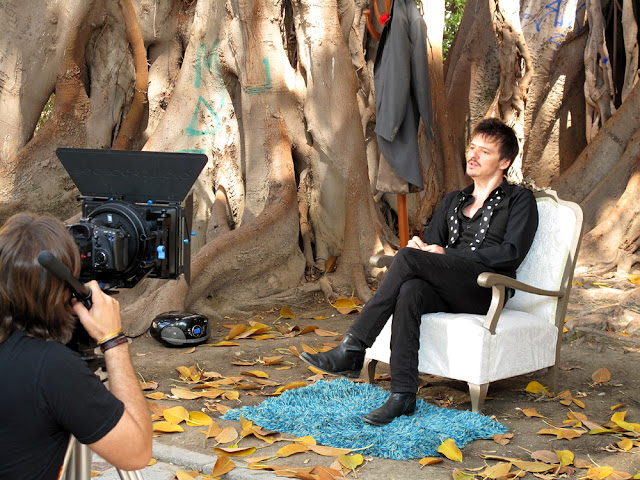
Están grabando en mi ciudad natal Alicante un nuevo vídeo musical del músico español Coque Malla, y allí estaba mi padre josecrem para dar parte.

スペインの音楽家Coque Malla氏の最新のプロモーションビデオは、僕の地元のアリカンテで撮影された。父のjosecremが写真を取ってきました。

They just recorded Spanish musician Coque Malla’s latest video clip in my hometown Alicante, and there was my dad josecrem to take pictures.
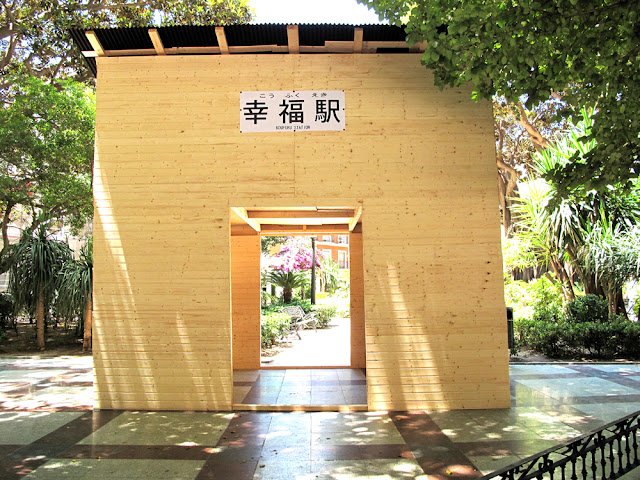
¿Y qué hace esto en pepinismo? Pues resulta que en el parque donde grabaron también hay una caseta que parece ser una estación de tren japonesa.

何でこういうことをpepinismoに?撮影した公園には、日本の駅のちょっとしたレプリカみたいな小屋があっるから。

But wait, why is this on pepinismo? Well, there’s this hut in the park where they were recording that looks like a Japanese train station.
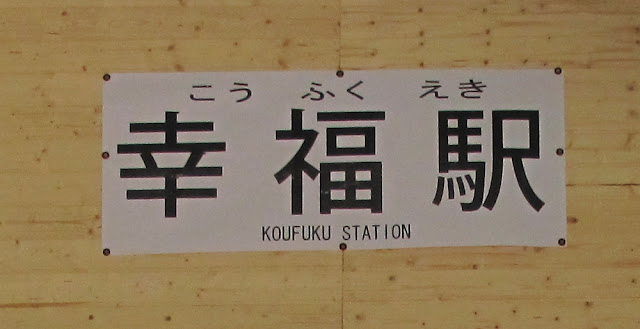
Se llama Kofuku Station (幸福駅, Estación Felicidad). Y el cartel da el pego estupendamente. ¿Tendrá por casualidad alguna relación con la letra de la canción de Coque Malla? No sabemos para qué canción están grabando, pero parece que la Estación no tiene que ver con el vídeo…

幸福駅らしい。この駅はたまたま曲の内容と関係があるのだろうか?どの曲のビデオかまだ分からないけど、撮影と駅は無関係だったらしい・・・

The name is Kofuku Station (幸福駅, Happiness Station). And the sign looks real enough. Could it be related to the song’s lyrics? We don’t know what song the video was taken for, but it looks like the Station and the video were unrelated…
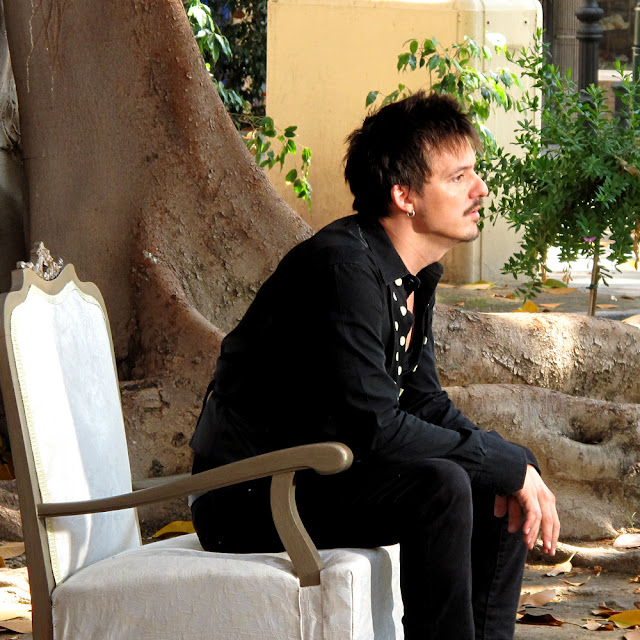
Coque Malla era el cantante del famoso grupo de rock de los 80 Los Ronaldos. La canción que más recuerdo es Adiós, papá.

Coque Malla氏は、80年代の人気ロックバンドLos Ronaldosのヴォーカルだった。一番記憶に残る曲は「Adiós, papá」。

Coque Malla was popular 80s rock band Los Ronaldos’ vocalist. The song that I remember best is Adiósn, papá.

YouTube

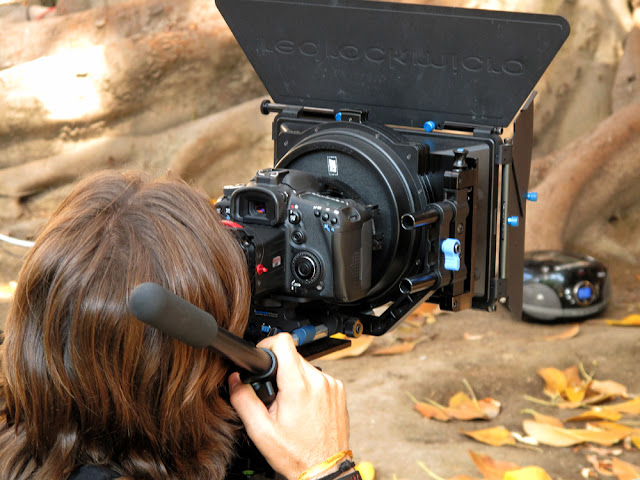
Si quieres ver más fotos de las cámaras réflex digitales que se usaron en la grabación (Canon EOS 7D) con todo lo que llevaban acoplado, de cómo hicieron la estación del parque, etc. las tienes en josecrem.com.

撮影に使われた一眼レフカメラのCanon EOS 7Dとか、幸福駅を作ってるところなどの写真をもっと見たかったらうちのおやじのブログ、josecrem.comで見てきてください!

If you want to see more pictures of the digital reflex cameras (Canon EOS 7D) used for recording, and how they made the park’s station, check my dad’s blog at josecrem.com.
tags: 

Mercadillo en Alicante アリカンテの路上市場

Alicante, mercadillo, 路上市場, アリカンテ, Benalúa

Este es el mercadillo de Benalúa, que tiene lugar al aire libre (se cortan las calles) dos días a la semana muy cerca de casa de mis padres, en Alicante.

これはアリカンテの実家の近くに週2回交通止めして主催される、ベナルアの路上市場です。

This is the Benalúa street market, held twice a week in Alicante near my parents’. It’s an open air market, and streets are closed for it every time.

Alicante, mercadillo, 路上市場, アリカンテ, Benalúa

Un puesto de olivas y encurtidos varios. Los tsukemono de Japón me gustan, pero a veces me apetecen encurtidos españoles.

オリーブなど酢の物や漬け物のお店。日本の漬け物も好きだけど、たまにスペインのが食べたくなる。

Olives and other Spanish pickled products. I love Japanese tsukemono, but I want to have Spanish pickles every now and then.

Alicante, mercadillo, 路上市場, アリカンテ, Benalúa

Y así queda el mercadillo una vez recogen los puestos. Como veis, ya lo estaban limpiando. Poco tiempo después todo vuelve a la normalidad.

路上市場終了後の様子。掃除中で、しばらくしたら町が普通に戻る。

And this is how the streets look just after the market closes. As you can see, they are already cleaning. After a while, everything will be back to normal.

tags: 

Lentejas レンズ豆

lentejas, レンズ豆, lentils, Spanish food, スペイン料理

Las lentejas de mi madre. ¿Os han parecido curry desde lejos? Es que en casa las tomamos con mucho arroz.

お母さんのレンズ豆。遠くからカレーライスに見えたかな?うちはご飯と一緒に食べるんだからね。

My mother’s lentils. Did they look like curry rice from afar? Because we have them with a lot of rice.

lentejas, レンズ豆, lentils, Spanish food, スペイン料理

Hasta dentro de la olla me recuerda al curry. Será que últimamente como más curry que lentejas, pero el hecho es que se parecen. ¡Comparad!

作っているところもカレーを思い出してしまう。最近はレンズ豆よりカレーを食べるとこが多いからかな。でも似てるでしょ!比べてみよう

It reminds me of curry when my mother is making it, too. Maybe it’s because lately I have more curry than lentils, but I really think they look alike. Want to compare?

lentejas, レンズ豆, lentils, Spanish food, スペイン料理

Me gustan las lentejas con mucho arroz. Hecho en paella y con aceite de oliva, un poco diferente del japonés.

僕はレンズ豆とご飯をいっぱい食べる。お母さんがたくのじゃなくて、フライパンで具なしパエリヤみたいな作り方をするけど。オリーブ油でね。

I like my lentils with a lot of rice. My mother cooks the rice the Spanish way, on a frying pan like when making paella. And with olive oil, of course.

lentejas, レンズ豆, lentils, Spanish food, スペイン料理

¡Y por supuesto, que no falte pan! ¿Como te las comes tú?

そして、パンももちろん付く!みんな、レンズ豆はどんな食べ方をする?

And of course I have bread with that, too! So how do you like your lentils?

tags: 

Conferencia de Etsuro Sotoo 外尾悦郎さんの講演会

Ayer fui a una conferencia del escultor japonés Etsuro Sotoo, que lleva muchos años trabajando en la Sagrada Familia. Se celebró en un edificio japonés muy tradicional y muy abierto en el templo sintoísta Dazaifu Tenmangu, uno de los más importantes de la isla de Kyushu.

La conferencia se titulaba algo así como “Fukuoka vista desde el mundo, y su potencial”, y al final la convirtieron en un debate con Nobuyoshi Nishitakatsuji, sacerdote jefe de Dazaifu Tenmangu. Curiosamente, los dos ponentes y el moderador del debate habían sido compañeros de escuela en secundaria.

A continuación os pongo unas cuantas ideas de las que más interesantes me parecieron personalmente. Las reproduzco con la mayor fidelidad que me es posible.

昨日はバルセロナのサグラダファミリアで長年作業されている日本の彫刻家外尾悦郎さんの講演会をみることができました。太宰府天満宮の凄く伝統的な建物、文書館で行われた。

講演のタイトルは「世界から見た福岡、博多の可能性」で、太宰府天満宮宮司 西高辻信良さんとの対談でした。お二人もコーディネーターさんも中学の同年生だったらしいです。

下記は個人的に一番面白いと思った一言を出来るだけ正確にまとめてみます。

Yesterday I went to a lecture by Japanese sculptor Etsuro Soto, who has been working on the Sagrada Familia for many years. It was held at a very traditional building at Dazaifu Tenmangu, one of Kyushu island’s most important Shinto shrines.

The lecture was titled something like “Fukuoka as seen from the world, and its potential”, and at the end it was made into a talk with Nobuyoshi Nishizakatsuji, Chief Priest of Dazaifu Tenmangu. Interestingly enough, the two speakers and the conductor went to the same middle school.

Below are some of the ideas I found most interesting. I’m writing them up as faithfully as I can.

Gaudí, ガウディ, Etsuro Sotoo, 外尾悦郎, Sagrada Familia, サグラダファミリア, 太宰府天満宮, Dazaifu Tenmangu

  • Sotoo: Gaudí terminó la Sagrada Familia.
  • Sotoo: Gaudí no está muerto porque sigue guiando a Sotoo en su trabajo. las personas no mueren mientras alguien las recuerde.
  • Sotoo: Con el japonés tenemos la suerte de que “palabra” se escribe “decir + hoja” (言葉). Las palabras son hojas que brotan del alma, y al igual que pasa con los árboles las personas también florecemos y damos frutos gracias a las palabras.
  • Sotoo: Gaudí decía que el hombre no crea nada sino que descubre cosas en la naturaleza. También decía que para hacer algo original hay que volver al origen (a la naturaleza).
  • Nishitakatsuji: Los templos no existen para conservar a los dioses. Existen para que haya un lugar que no haya cambiado cuando uno vuelve a su lugar de origen después de un tiempo.
  • Sotoo: Una persona que tiene un sitio al que volver puede ir a donde quiera.
  • Nishitakatsuji: Este edificio tiene 108 años. Los edificios de madera pueden durar muchísimo si los vas cuidando cada pocas décadas.
  • Sotoo: El tiempo no nos persigue. Somos nosotros los que caminamos a través del tiempo avanzando a nuestro ritmo.
  • Sotoo: Gaudí no usaba planos. Si los hacía es porque se los pedían los ayuntamientos.
  • Sotoo: Si la humanidad no acaba de avanzar a pesar de estar en el siglo XXI, es porque todas las cosas se piensan en forma de tecnología.
  • Sotoo: En la Persia antigua la enseñanza constaba de tres “asignaturas”: montar a caballo, no decir mentiras, y respetar a los mayores y superiores.
  • Sotoo: Las ciudades que no tienen nada sagrado acaban desapareciendo.
  • Nishitakatsuji: Hace poco asumí temporalmente la responsabilidad del templo Shikaumi Jinja, por defunción del anterior sacerdote, y tienen un festival muy bonito y simbólico que consiste en decir cosas bonitas a las montañas. [Pronto publicaré algo sobre este templo, porque estuvimos el domingo]
  • Sotoo: La mayor baza de Fukuoka es su hospitalidad. Fukuoka tiene muchos puntos en común con Barcelona. El festival Yamakasa, en el que la gente se amontona en horizontal, se parece a los castellers de Cataluña en los que la gente se amontona en vertical. Este festival humano también tiene su origen en la naturaleza, concretamente en la gravedad.
  • Sotoo: La escultura no la termina el escultor sino la persona que la mira. Una escultura de un arpa no necesita tener las cuerdas si las personas que la vean pueden entender que la escultura es un arpa e imaginar las cuerdas.
  • Nishitakatsuji: En Europa siempre me gusta visitar iglesias, y cuando me reciben con música impresiona bastante. En los templos sintoístas recibimos a la gente con el sonido de la naturaleza.
  • Sotoo: Cuando uno habla en una iglesia, suele tener detrás a Jesucristo o a la Virgen María, pero hoy tenemos detrás de nosotros a los dioses de este templo.
  • 外尾: ガウディはサグラダファミリアを完成している。
  • 外尾: ガウディは、今でも僕の仕事を導いているから死んでいない。人は人に思い出される限り死なない。
  • 外尾: 日本語では「言葉」というのを「言う+葉」と書く。言葉は魂から生える葉で、人間は木と同じく言葉のおかげで花が咲き実がなる。
  • 外尾: 人間は創造するのではなくて物事を自然で発見すると、ガウディが言っていた。他に言っていたのは:originalidad(新鮮)を作るのにorigen(起点)に戻らないといけない。その起点は、自然。
  • 西高辻: 神社は神を守るためにあるのではなく、変わらない場所を守るためにある。人がふるさとに帰ったときに、変わっていない場所があるために。
  • 外尾: 帰れる場所を持つ人はどこまでも行ける。
  • 西高辻: この建物は108年前に建たれた。建物は、何十年かごとに手入れをすれば持つ物だ。
  • 外尾: 僕達は時間に追われているのではなくて、時間を通って移動しているのだ。
  • 外尾: ガウディは図面を使わなかった。描いたとしたら、それは市役所などに頼まれたからだ。
  • 外尾: 21世紀なのに人類がなかなか進まないのは、何でもを機会のシステムで考えるからだ。
  • 外尾: 昔のペルシャの教育では、この三つしか教えられなかった:馬に乗ること、嘘をつかないことと、お年寄りや目上の人を敬うこと。
  • 外尾: 神聖な場所を持たない都会がいずれ消える物だ。
  • 西高辻: 最近、担当の方が亡くなられて志賀海神社を預かったようなことになっている。そこの山褒め祭りは凄かった。[日曜日に行ってきたばかりの志賀海神社、近いうちに写真等を投稿します]
  • 外尾: 福岡のいいところは「hospitality」(歓待、もてなしの心)で、バルセロナとの共通点が多い。博多の山笠祭りでは人が水平に固まって、バルセロナのcastellersでは人が縦に重なる。これの原因も引力・自然にある。
  • 外尾: 彫刻が完成されるのは彫刻家の手ではなくてみる人の目でだ。例えばハープの彫刻には弦がなくても、見る人はハープであることを理解して自分で弦を想像することができたらそれでいい。
  • 西高辻: ヨーロッパではよく教会に入るが、そのときは音楽が鳴っていると圧倒される。神社では自然の音で歓迎される。
  • 外尾: 教会で話すことになると、後ろにはイエスまたはマリア様がいるが、神社で話しても後ろは神様だ。
  • Sotoo: Gaudí finished the Sagrada Familia.
  • Sotoo: I know Gaudí isn’t dead because he guides me when I’m at work. Nobody’s dead while somebody remembers them.
  • Sotoo: We are lucky that in Japanese “word” is written “say + leaf” (言葉). Words are leafs growing from the soul and, the same as trees do, people grow flowers and fruits through growing leaves.
  • Sotoo: Gaudí said that the man doesn’t create anything, but find it in nature. He also said that to make something original one has to go back to the origin (nature) to find it.
  • Nishitakatsuji: Temples aren’t to preserve gods, but to preserve an unchanged place so that people who come back to their homeland after a while still find some place that remains the same.
  • Sotoo: Someone who has a place to come back to can go as far as he wants.
  • Nishitakatsuji: This building is 108 years old. Wooden buildings are very durable if you take care of them every some decades.
  • Sotoo: Time isn’t chasing us. Actually, we are walking through time.
  • Sotoo: Gaudí didn’t use blueprints. The times he made them, it was because city halls, etc. asked for them.
  • Sotoo: If humanity isn’t still progressing into the 21th Century, it’s because everything is thought of as a technology system.
  • Sotoo: In ancient Persia’s education only three things were taught: how to ride a horse, how not to tell lies, and how to honor the elder.
  • Sotoo: Cities that have nothing sacred in them end up disappearing.
  • Nishitakatsuji: Not long ago I took over responsibility at Shikaumi Jinja, because of the Chief Priest’s demise. They have a very beautiful festival there, consisting in praising mountains. [I’ll post something about this shrine soon, as we went there last Sunday]
  • Sotoo: Fukuoka’s trump card is hospitality. Fukuoka has many common spots with Barcelona. The Yamakasa festival consists on people piling up horizontally, and Catalunya’s castellers consists on piling up vertically. All of this is thanks to gravity –thanks to the nature.
  • Sotoo: Sculpture doesn’t end in the sculptor’s hands, but in the viewer’s eyes. A harp’s sculpture doesn’t need strings in it, if people can understand it’s a harp and imagine the strings themselves.
  • Nishitakatsuji: I always visit churches when I go to Europe, and when they welcome me with music I’m overwhelmed. When you come to a Shinto shrine, we’ll welcome you with the nature’s voice.
  • Sotoo: When one speaks at a church, Jesus Christ or Virgin Mary is behind one. But today, the gods of this temple are behind us.

Gaudí, ガウディ, Etsuro Sotoo, 外尾悦郎, Sagrada Familia, サグラダファミリア, 太宰府天満宮, Dazaifu Tenmangu

Me gustó mucho todo lo que pasó esa tarde, y daban ganas de seguir escuchándolos hasta que se hiciera de día. Se notaba que estaban compartiendo la tarde con mucho gusto, a pesar de que la mayoría de los espectadores fueramos desconocidos. Al final pude hacer una pregunta al Sr. Sotoo, y me aclaró él piensa que Gaudí tenía una sensibilidad asiática pero una educación y una técnica europeas. ¡Muchas gracias, maestro!

あの夕方の出来事、全部よかった。朝までお話を聞きたかった。本人達も楽しんで夕方を知らない人と共有しているように見えました。最後は外尾さんに質問してみました。教えてくれた応えは、外尾さんによってガウディがアジア/日本の感性を持って、ヨーロッパ/スペインの教育を受けてその作り方で作品を完成して行ったとのことでした。外尾先生、ありがとうございました!

I loved everything that happened that evening, and I wanted to keep on listening until the morning. One could feel they were enjoying sharing their evening with a bunch of strangers. At the end I was able to ask a question to Mr. Sotoo, and he explained he thinks Gaudí had an Asian sensibility but European education and technique. Thank you very much!

tags: 

Magí está afónico マジは声が出ない


聞くスペイン語 45: 声が出ない / Escucha español 45: Estoy afónico

¡Magí se ha quedado afónico esta semana! Esperemos que se recupere para el Seminario Escucha español, que es la semana que viene.

マジは声が出ない!来週のセミナーまでに治して欲しい。
あなたも福岡にいるんだったら参加申し込みして下さい!みんなで楽しんでスペイン語を習おう!

Magí has no voice this week! Hope he’ll be OK by next week as we have the Escucha español Seminar.

tags: 

聞くスペイン語セミナー Seminario Escucha español

Seminario, Escucha español, 聞くスペイン語, セミナー, escuchaespanol, 講演会

El 9 de abril Magí y yo vamos a hacer un seminario de Escucha español, un acontecimiento para aprender español. Se hará en Fukuoka y la entrada es gratuita pero el aforo es limitado. Podéis leer el resto de la información en japonés aquí.

4月9日、マジと僕は「聞くスペイン語」のセミナーを行います。スペイン語を覚えられるイベントです。会場は福岡の高宮にあります。参加無料ですが、定員がありますので来られる人は参加申し込みをして下さい。詳細はこちらを参照して下さい。

Next April 9th, Magí and I have an Escucha español seminar, an event to learn Spanish. It will be held in Fukuoka, and entrance is free but there’s limited capacity. You can check all the information in Japanese here.

Créditos / クレジット / Credits:

  • Diseño / デザイン / Design: Takashi Kimura 木村尚史 (CINQLO)
  • Ilustraciones / イラスト / Illustrations: Koga Takahirou 古賀タカヒロウ (DEPPER’S LAND)
tags: